

Broadening cancer gene testing
21st July 2020
Screening entire populations for breast and ovarian cancer gene mutations could prevent millions more cancer cases across the world compared to current clinical practice, according to an international study led by Queen Mary University of London.
Read more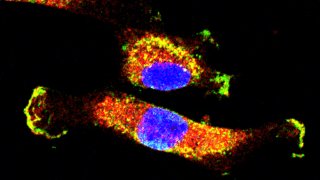
Unravelling the circuitry that controls cancer growth and spread
23rd June 2020
Research reveals novel insights into the molecular circuitry controlling cancer cell growth and spread. The findings highlight new pathways involved in these key processes of cancer progression that may represent targets for therapies.
Read more
Blood vessel protein has protective role in cancer
4th June 2020
A study has identified a novel mechanism that controls tumour growth, involving a particular protein expressed by specialised cells within tumour blood vessels.
Read more
Covid-19 and blood cancer
3rd June 2020
One of the first studies to investigate the outcome of Covid-19 infection in patients with blood cancer has been conducted by clinical researchers from Barts Cancer Institute, Queen Mary University of London, and Barts Health NHS Trust.
Read more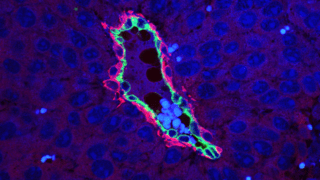
Pericytes and control of cancer growth
29th May 2020
New study reveals novel insights into the role of blood vessels within the tumour microenvironment in the regulation of cancer growth. Understanding this relationship better may provide new avenues that can be explored for cancer therapies.
Read more
Immunotherapy for advanced bladder cancer
29th May 2020
An immunotherapy drug called ‘avelumab’ has been shown to significantly improve survival in patients with the most common type of bladder cancer, according to results from a phase III clinical trial led by Professor Tom Powles.
Read more