
Pancreatic Cancer Research Fund Tissue Bank achieves landmark international accreditation
19th August 2025
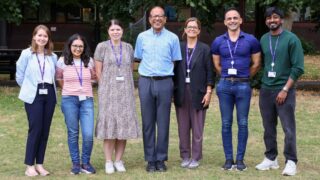
The Pancreatic Cancer Research Fund Tissue Bank (PCRFTB) has become the first in England to receive ISO 20387:2018 accreditation, an international standard that recognises excellence in biobanking.
Read more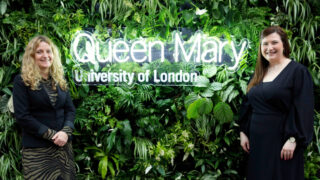
£10m awarded to partnership investigating innovative radiolabelled nanomedicines
11th August 2025
Researchers at Barts Cancer Institute (BCI), Queen Mary University of London, will play a part in a revolutionary new partnership with King’s College London and the University of Leeds, aiming to accelerate and optimise the clinical translation of healthcare nanotechnologies.
Read more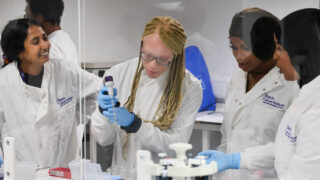
Aspiring scientists gain a ‘burst’ of inspiration at the BCI
29th July 2025
This month, we welcomed a total of 43 aspiring young scientists from across London to the Barts Cancer Institute (BCI), Queen Mary University of London, where they had the opportunity to meet researchers, try their hands in the lab and learn more about what it takes to become a scientist.
Read more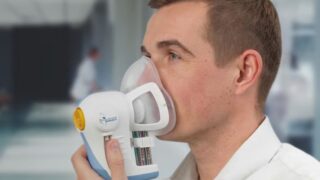
Could a breath test detect blood cancer?
23rd July 2025
Molecules exhaled in the breath may provide clues to detect blood cancer, according to new research by scientists at Barts Cancer Institute. The findings could enable the development of a blood cancer breathalyser, providing a rapid, low-cost way to detect disease.
Read more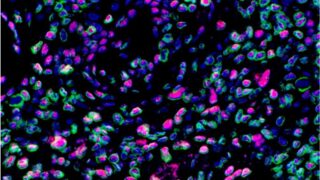
Cells’ recycling system plays a surprising role in shaping immune cells DNA
2nd July 2025
Researchers have discovered a new mechanism by which B cells – antibody-producing immune cells – use a cellular recycling process called autophagy to control changes to their DNA essential for antibody improvement. The findings could have future implications for the development of certain blood cancers and autoimmune diseases.
Read more
Study reveals molecules enabling bowel cancer to hijack healing processes and spread
8th June 2025
Scientists have uncovered how bowel cancer cells imitate our gut’s natural healing processes to adapt, spread and grow. The findings researchers at Barts Cancer Institute could lead to new treatment strategies aimed at preventing cancer spread.
Read more