
Blood test helps guide immunotherapy for bladder cancer
A new clinical trial led by Professor Thomas Powles at Barts Cancer Institute, Queen Mary University of London, has shown that a blood test to detect tumour DNA could help doctors decide which patients with bladder cancer are most likely to benefit from further treatment after surgery. The new approach improved survival in those identified as high-risk while safely sparing low-risk patients from unnecessary side effects.
Muscle-invasive bladder cancer is an aggressive form of the disease in which the tumour has grown into the bladder wall, making it more likely to spread. Treatment usually involves surgical removal of a patient’s bladder. While this is effective for many, the cancer returns in around half of patients, often with poor outcomes. Giving extra treatment after surgery can help some people, but it may also expose others who don’t require treatment to unnecessary side effects.
The international IMvigor011 trial, presented by Professor Powles at the European Society for Medical Oncology (ESMO) Congress 2025 and published in New England Journal of Medicine, tested a way of using fragments of tumour DNA circulating in the blood – known as circulating tumour DNA (ctDNA) – to detect whether any cancer cells remain in the body after surgery.
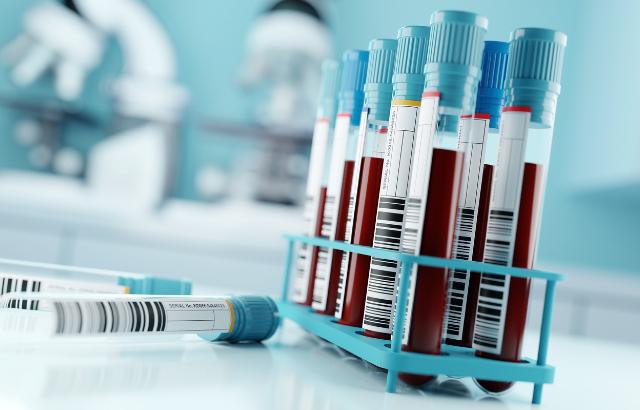
More than 760 patients were monitored with regular ctDNA blood tests after surgery. Those whose tests showed traces of tumour DNA – suggesting a higher risk of their cancer coming back – were randomly assigned to receive either an immunotherapy drug called atezolizumab, or a placebo.
Results showed that patients who received atezolizumab lived longer without their cancer returning and also had better overall survival than those given a placebo. The median time before recurrence or death was 9.9 months for people given atezolizumab, compared with 4.8 months for those given a placebo. Median overall survival was 32.8 months versus 21.1 months, respectively.
By contrast, patients who consistently tested ctDNA-negative rarely saw their cancer return – 95% remained disease-free after one year, and 88% after two years – suggesting that these individuals may safely avoid further treatment.
The findings show that ctDNA testing can help doctors distinguish who truly needs extra treatment after bladder cancer surgery. The study marks an important step towards more personalised, precise care that could spare many people from unnecessary side-effects while improving outcomes for those most at risk.

The results represent the first phase III clinical trial to use a ctDNA-guided approach in bladder cancer, and could help shape future treatment guidelines worldwide.
Category: Conferences, General News, Publications
No comments yet