
Filters
Research Areas
Centre
Position
Dr Max Beesley
My research focuses on improving our understanding of why only certain prostate cancer clones within a patient (intratumoural) undergo metastasis. I will apply next-generation spatial transcriptomics to investigate clonal evolution, identify key driver mutations and better understand clonal interaction with the stromal tumour microenvironment (TME).

Dr Alastair Lamb
Clinical Reader, Barts Cancer Institute Visiting Associate Professor, Oxford University Honorary Consultant Urological Surgeon, Guy's and St Thomas' NHS Foundation Trust
Our lab focusses on Spatial Prostate Assessment and the Circulating Environment (aka the SPACE Group). We use cutting edge spatial molecular techniques to unpack clonal dynamics in the development of localised prostate cancer. Alongside this we seek to identify scalable “windows” into clonal lethality using machine learning approaches applied to histology and MRI images as well as ‘liquid biopsy’ of circulating tumour cells (CTCs). Our aim is to transform decision-making in clinical management of prostate cancer so that the right men get the right treatment at the right time.
Dr Emma Taggart
My research aims to investigate the immune microenvironment in colorectal cancer, and particularly how it influences response to immunotherapy. To explore this, I am developing co-culture models using patient-derived colorectal cancer tissue and primary human immune cells including T cells and macrophages.
Dr James Scarth
My research employs 3D tissue models of oncogenic HPV infection to study the contribution of oncogene-induced replication stress (Oi-RS) and genomic instability to cancer initiation.
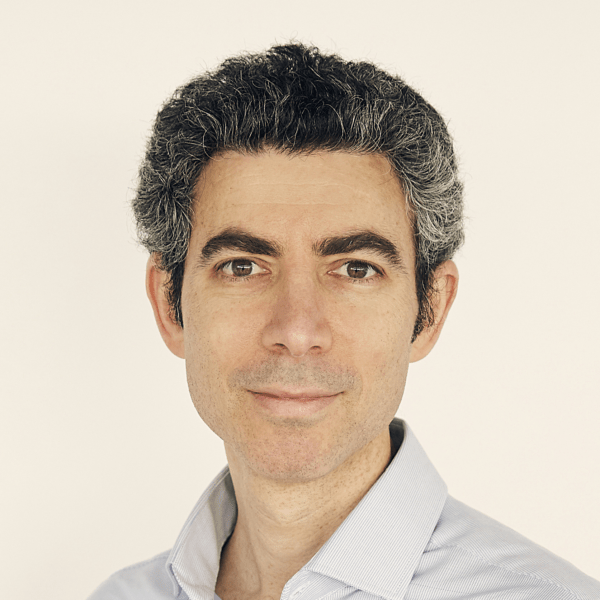
Professor Nitzan Rosenfeld
Director, Barts Cancer Institute; Professor of Applied Cancer Research
The Rosenfeld group develops molecular diagnostic tools for cancer detection, characterisation and monitoring, to help make more informed treatment decisions. We focus on liquid biopsies, in which we analyse blood samples to detect and characterise cell-free circulating tumour DNA (ctDNA).

Professor Francesca Ciccarelli
Professor of Cancer Genomics, Barts Cancer Institute Principal Group Leader, Cancer Systems Biology, The Francis Crick Institute
Our group investigates cancer evolution, with a focus on understanding how genetic changes influence disease progression, response to therapy and development of resistance. We particularly concentrate on gastrointestinal cancers such as colorectal, stomach and oesophageal cancer.