
Filters
Research Areas
Centre
Position
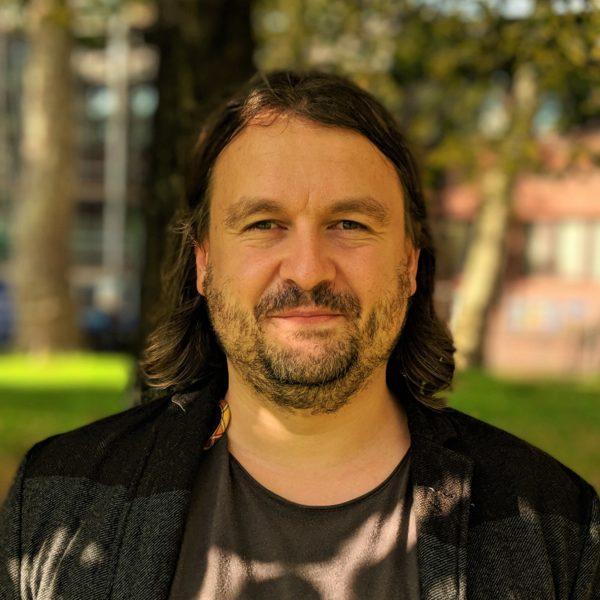
Dr Benjamin Werner
Reader in Somatic Evolution
My group combines mathematics, computer simulations and genomic information to study evolutionary processes. We aim to understand how a tumour’s evolutionary history is reflected in its genome, how evolution can be quantified in individual tumours and how this information predicts future evolution.
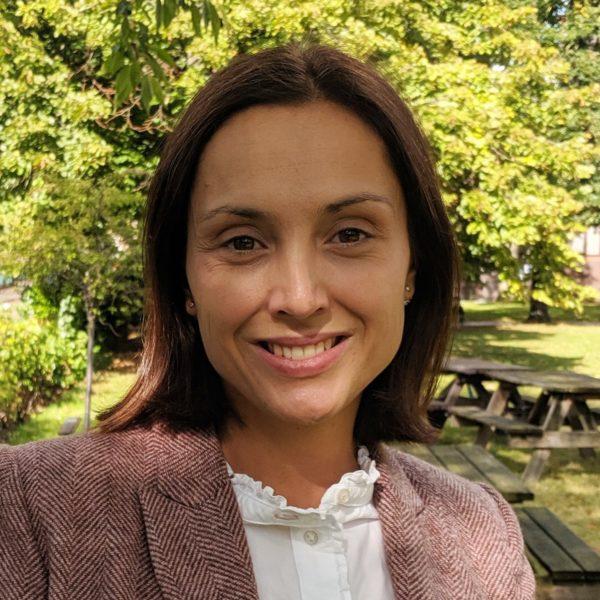
Dr Lovorka Stojic
Senior Lecturer
My group studies how RNA-mediated mechanisms, in particular long noncoding RNAs, regulate cell division and how dysregulation of these processes leads to genome instability and cancer.
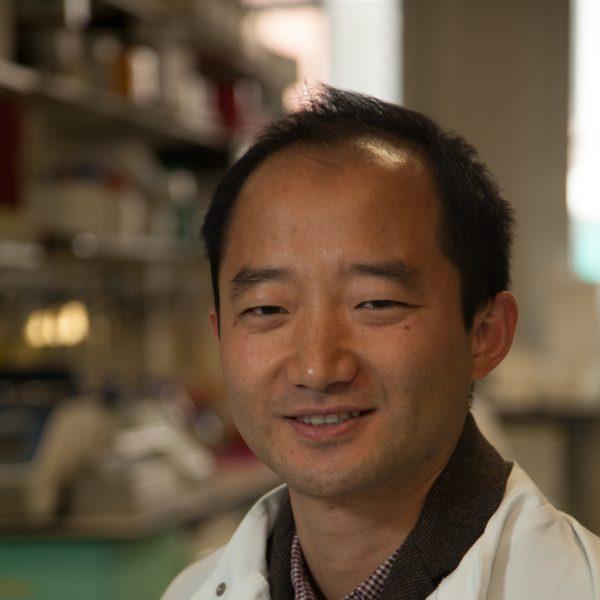
Professor Jun Wang
Professor in Genomics and Data Science
I have broad research interests and experience in bioinformatics, cancer genomics and data analytics. These research areas mainly involve developing and applying bioinformatics and computational approaches to analyse large-scale cancer datasets to uncover novel diagnostic and prognostic biomarkers. I also lead the Cancer Research UK Barts Centre Bioinformatics Core Facility.
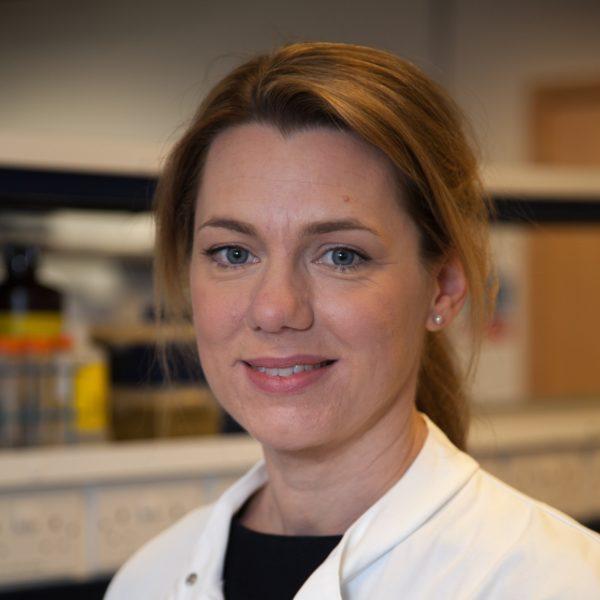
Professor Sarah McClelland
Professor of Cancer Cell Biology and Genomics
My lab aims to understand the mechanisms that underlie numerical and structural chromosome aberrations in cancer at a molecular level, which also involves understanding how normal cells replicate and segregate their genomes.

Professor Michelle Lockley
Clinical Professor of Medical Oncology, Honorary Consultant
Our lab aims to improve treatments for women with ovarian cancer, particularly those that are resistant to chemotherapy. We are interested in developing therapies that can adapt to the evolution of chemotherapy resistance over time such as Adaptive Therapy.
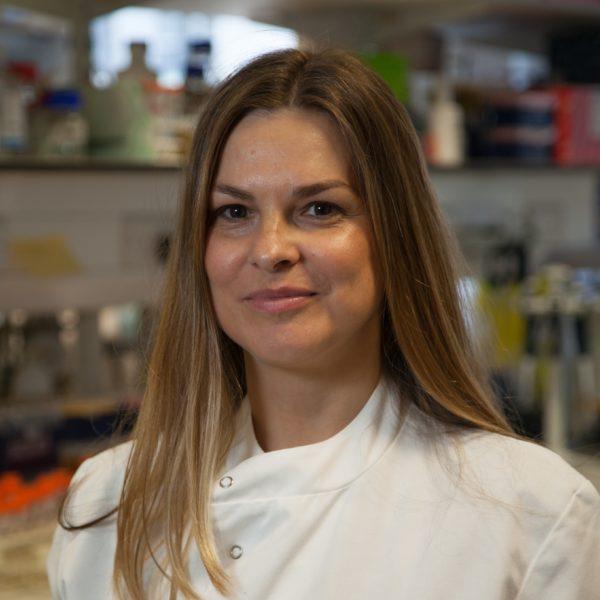
Dr Gabriella Ficz
Reader in molecular biology and epigenetics
My group aims to discover the epigenetic changes taking place during cancer initiation and develop potential drugs that can prevent these changes which may be abnormal but reversible, before many damaging mutations occur.