Sustainability at Barts Cancer Institute
Queen Mary University of London & Barts Cancer Institute are committed to embedding the principles of sustainable development across all areas of our operation and academic activities.
Why laboratory sustainability matters
Laboratory research, while crucial for scientific progress, can be energy and resource-intensive. Laboratories produce about 2% of the world's plastic waste and typically consume between three and ten times more energy per square metre than an average office. Environmental changes affect everyone, and pollution is increasingly recognised as a risk factor for cancer. As an institute, we recognise our responsibility to reduce the environmental impact of our research for the well-being of future generations.
LEAF Certification
The Laboratory Efficiency Assessment Framework (LEAF) is an internationally recognised certification scheme designed to enable staff and students to understand and improve the sustainability and efficiency of their laboratories.
Completion of criteria relating to equipment, people, waste, sample and chemical management and research quality allows lab groups to achieve a sequential Bronze, Silver and Gold standard.
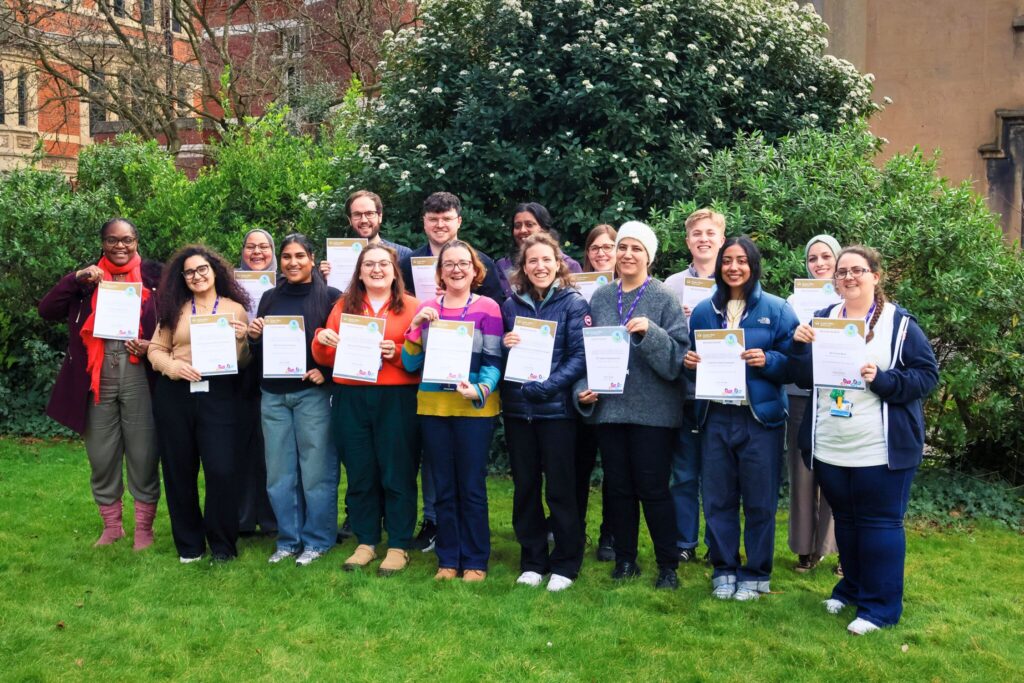
All BCI laboratories currently hold Silver LEAF certification or higher
Sustainability at Queen Mary University of London
Queen Mary University of London has a six-year target of reducing our carbon emissions by 30% against our 2018/19 baseline. We are committed to continued improvement of our environmental performance through our ISO 14001-certified Environmental Management System which covers all functions, processes, and operations delivered from our UK campuses.
We are also a signatory of the Concordat for the Environmental Sustainability of Research and Innovation Practice, a commitment for institutions to work individually and collectively to ensure the future design and practice of UK research and innovation is environmentally sustainable.