
Tag: Clinical
Search News

Barts Cancer Institute teams awarded nearly £3m from Cancer Research UK to seek novel cancer therapy targets
11th March 2026
Professor Michelle Lockley and Dr Oliver Pearce have both been awarded prestigious Programme Foundation Awards from Cancer Research UK, worth nearly £1.5 million each, to support the work of their research groups at Barts Cancer Institute, Queen Mary University of London.
Read more
NHS changes guidelines for bladder cancer patients following new clinical trial results
12th February 2026
Thousands of people with advanced bladder cancer across the UK will now receive three rather than six chemotherapy cycles after Queen Mary University of London-led research led to a change to NHS treatment guidelines. For patients, this means fewer toxic side effects and a better quality of life during treatment.
Read more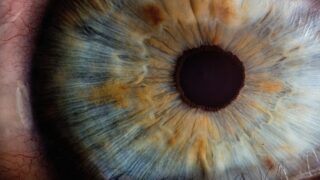
New approach offers hope for people with rare eye cancer
21st January 2026
A more active approach to monitoring and treating people with a rare eye cancer (known as uveal melanoma) that has spread to the liver could help some patients to live longer, according to researchers at Barts Cancer Institute, Queen Mary University of London. The findings, from a retrospective study of the largest UK cohort of patients with this condition to date, offer an encouraging sign of progress in this rare and difficult-to-treat cancer.
Read more
Breakthrough life-extending treatment for advanced bladder cancer available on NHS
21st August 2025
The new combination treatment offers hope to thousands of people living with advanced urothelial cancer. The clinical trials, led by Professor Tom Powles at Barts Cancer Institute, Queen Mary University of London, showed that overall survival rates were almost twice as long with this new treatment compared to the current standard treatment.
Read more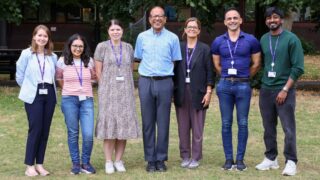
Pancreatic Cancer Research Fund Tissue Bank achieves landmark international accreditation
19th August 2025
The Pancreatic Cancer Research Fund Tissue Bank (PCRFTB) has become the first in England to receive ISO 20387:2018 accreditation, an international standard that recognises excellence in biobanking.
Read more
Beyond ‘one size fits all’: Study reveals ethnic differences in breast cancer development and outcomes, demanding tailored care approaches
20th May 2025
Women of African or South Asian genetic ancestry tend to develop breast cancer and die at a younger age than women of European ancestry, according to new research by Barts Cancer Institute, Queen Mary University of London. The study, which looked at clinical and genetic data from over 7,000 women with breast cancer, also found important genetic differences in these women’s cancers that could impact their diagnosis and treatment.
Read more