
Tag: Drugs
Search News
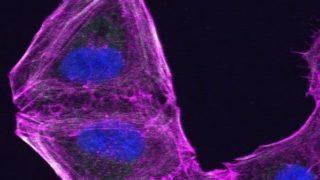
Tackling resistance in skin cancer
13th January 2020
Researchers have found that melanoma cells fight anti-cancer drugs by changing their internal skeleton (cytoskeleton) – opening up a new therapeutic route for combating skin and other cancers that develop resistance to treatment.
Read more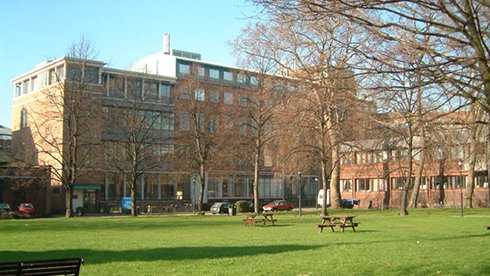
IBIS-II – new results from international breast cancer study
12th December 2019
The Queen Mary University of London professor leading an international breast cancer study says anastrozole – rather than tamoxifen – should be the preventive drug-of-choice for post-menopausal women at increased risk of developing the disease.
Read more
KEYNOTE-522: Immune therapy for breast cancer
30th September 2019
Results of an interim analysis from the KEYNOTE-522 trial have shown a treatment combination of immunotherapy plus chemotherapy to improve response rates in patients with early triple-negative breast cancer. Prof Peter Schmid presented the results at the ESMO Congress 2019 in Barcelona, Spain.
Read more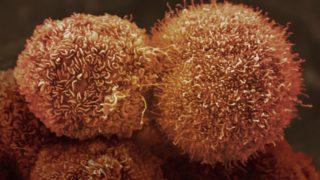
Antibody therapy in pancreatic cancer
31st July 2019
Scientists have found a way to target and knock out a single protein that they have discovered is widely involved in pancreatic cancer cell growth, survival and invasion. Called avb6, the protein is present on the surface of more than 80 per cent of pancreatic ductal adenocarcinoma – the most common form of pancreatic cancer – and is vital to increase the successful growth and spread of the tumour cells.
Read more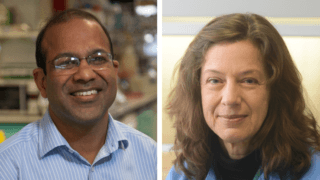
New research funded by PCRF
19th July 2019
The Pancreatic Cancer Research Fund is supporting two new research projects at the Barts Cancer Institute, Queen Mary University of London. The projects, led by Professor Hemant Kocher and Dr Gunnel Halldén, will aim to identify ways to enhance the efficacy of treatments for pancreatic cancer, to ultimately help those affected by this devastating disease.
Read more
2019 ASCO Annual Meeting
4th June 2019
Professor Peter Schmid, Lead of the Centre for Experimental Cancer Medicine at the Barts Cancer Institute, Queen Mary University of London, attended this year’s ASCO Annual Meeting and today presented updated survival data from the IMpassion130 trial.
Read more