
Tag: Genetics
Search News
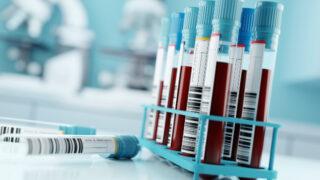
Blood test helps guide immunotherapy for bladder cancer
22nd October 2025
A new clinical trial led by Professor Thomas Powles at Barts Cancer Institute, Queen Mary University of London, has shown that a blood test to detect tumour DNA could help doctors decide which patients with bladder cancer are most likely to benefit from further treatment after surgery. The new approach improved survival in those identified as high-risk while safely sparing low-risk patients from unnecessary side effects.
Read more
Rogue’ DNA rings reveal earliest clues to deadly brain cancer’s growth
8th September 2025
An international team of scientists has revealed how rogue rings of DNA that float outside of our chromosomes – known as extrachromosomal DNA, or ecDNA – can drive the growth of a large proportion of glioblastomas, the most common and aggressive adult brain cancer. The discovery could open the door to much-needed new approaches to diagnose glioblastoma early, track its progress and treat it more effectively.
Read more
Beyond ‘one size fits all’: Study reveals ethnic differences in breast cancer development and outcomes, demanding tailored care approaches
20th May 2025
Women of African or South Asian genetic ancestry tend to develop breast cancer and die at a younger age than women of European ancestry, according to new research by Barts Cancer Institute, Queen Mary University of London. The study, which looked at clinical and genetic data from over 7,000 women with breast cancer, also found important genetic differences in these women’s cancers that could impact their diagnosis and treatment.
Read more
Discovery of lingering DNA damage could change our understanding of cancer development
15th January 2025
Dr Michael Spencer Chapman and team have uncovered forms of DNA damage in healthy cells that can persist unrepaired for years
Read more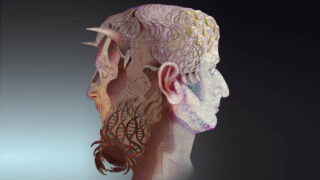
Surprising ‘two-faced’ cancer gene role supports paradigm shift in predicting disease
3rd January 2025
A genetic fault long believed to drive the development of oesophageal cancer may in fact play a protective role early in the disease, according to new research published in Nature Cancer.
Read more
€9.8m ERC Synergy grant awarded to study how human tissues stay healthy as we age
5th November 2024
Researchers at the BCI and the Crick have been awarded a €9.8m ERC Synergy grant for their pioneering 6-year project called MUTAHOME.
Read more