
Tag: Models
Search News
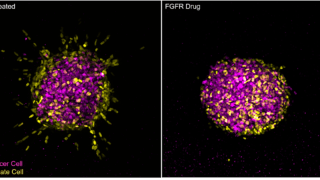
Research identifies new way to halt pancreatic cancer invasion by targeting healthy cells
10th November 2022
Researchers from Barts Cancer Institute at Queen Mary University of London have identified a new channel of communication through which non-cancerous cells drive the invasion of cancer cells in pancreatic cancer. By blocking a particular signalling molecule within this pathway, called Fibroblast Growth Factor Receptor 1, the team was able to reduce invasion of pancreatic cancer cells in the laboratory.
Read more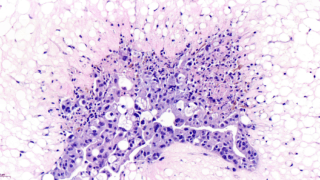
The REMODEL project: Remodelling tumour microenvironments to improve immunotherapy
12th October 2022
Professor Fran Balkwill from Barts Cancer Institute at Queen Mary University of London has received a UK Research and Innovation (UKRI) Frontier Research grant of over £2 million to investigate the most effective ways to remodel cancers to enhance the effects of immunotherapy.
Read more
Understanding the role of cancer’s circular genome in tumour evolution
23rd September 2022
New research, co-led by Dr Benjamin Werner from Barts Cancer Institute at Queen Mary University of London, indicates that the circular DNA structures present in around a third of cancers lead to extensive genetic diversity within tumours, giving them the ability to adapt rapidly to environmental stress and resist targeted cancer treatment.
Read more
BCI researcher receives prestigious MRC grant to investigate how HPV infection develops into cancer
27th May 2022
Dr Sarah McClelland from BCI is part of a collaborative project that has secured £1.2 million in funding from the Medical Research Council to investigate the mechanisms leading to cancer development in cells infected with human papillomavirus.
Read more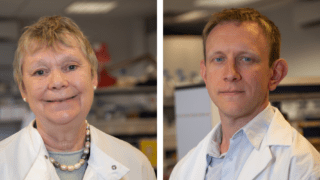
Building a human tumour microenvironment in the lab
15th June 2021
Researchers from Barts Cancer Institute at Queen Mary University of London, led by Professor Fran Balkwill and Dr Oliver Pearce, have built two 3D multi-cellular models of the human tumour microenvironment (TME) in ovarian cancer. The models, which are the first created from the CanBuild project, have revealed novel insights into the role of the TME in cancer progression.
Read more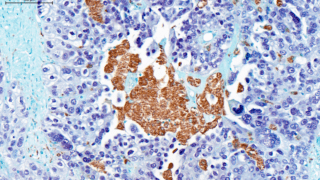
Impact of chemotherapy on immune cells in the TME
10th April 2021
Research from Barts Cancer Institute, Queen Mary University of London, has revealed novel insights into the effects of chemotherapy on the tumour microenvironment (TME). The study found that chemotherapy enhances the anti-tumour actions of immune cells within the TME and their ability to support immune responses against cancer.
Read more