Category: Publications
Search News
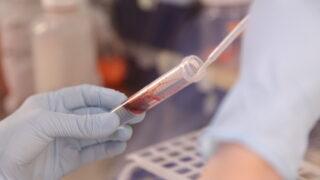
Screening for ovarian cancer did not reduce deaths
13th May 2021
A large-scale randomised trial of annual screening for ovarian cancer did not succeed in reducing deaths from the disease, despite one of the screening methods tested detecting cancers earlier, according to results published in The Lancet.
Read more
Impact of COVID-19 in patients with HBP conditions in East London
12th May 2021
Researchers from Barts Cancer Institute at Queen Mary University of London have conducted a population-based study to explore the risk factors associated with COVID-19 susceptibility and survival in patients with a history of diseases of the liver, pancreas or biliary system – also known as hepato-pancreato-biliary (HPB) diseases – in East London.
Read more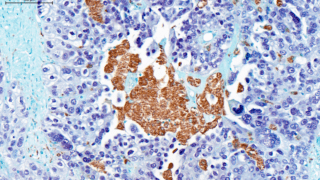
Impact of chemotherapy on immune cells in the TME
10th April 2021
Research from Barts Cancer Institute, Queen Mary University of London, has revealed novel insights into the effects of chemotherapy on the tumour microenvironment (TME). The study found that chemotherapy enhances the anti-tumour actions of immune cells within the TME and their ability to support immune responses against cancer.
Read more
Researchers use machine learning to rank cancer drugs in order of efficacy
25th March 2021
Researchers from Barts Cancer Institute, Queen Mary University of London, have developed a machine learning algorithm that ranks drugs based on their efficacy in reducing cancer cell growth. The approach may have the potential to advance personalised therapies in the future by allowing oncologists to select the best drugs to treat individual cancer patients.
Read more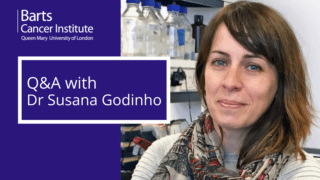
Cancer cell communications
12th March 2021
We spoke with Dr Susana Godinho, Group Leader in Barts Cancer Institute’s Centre for Cancer Cell and Molecular Biology, to find out about her recent paper published in Current Biology. Dr Godinho and her team set out to identify why cancer cells carrying extra centrosomes exhibit increased release of communications packages known as small extracellular vesicles.
Read more
New class of drug reduces risk of death in bladder cancer
15th February 2021
A new type of drug that helps target chemotherapy directly to cancer cells has been found to significantly increase survival of patients with the most common form of bladder cancer, according to results from a phase III clinical trial led in the UK by Professor Tom Powles from Barts Cancer Institute, Queen Mary University of London and Barts Health NHS Trust.
Read more