
£10m awarded to partnership investigating innovative radiolabelled nanomedicines
Researchers at Barts Cancer Institute (BCI), Queen Mary University of London, will play a part in a revolutionary new partnership with King’s College London and the University of Leeds, aiming to accelerate and optimise the clinical translation of healthcare nanotechnologies. The team has been awarded £10m in funding from the Engineering and Physical Sciences Research Council (EPSRC), of which £1m will fund work at BCI.
Nanomedicine breakthroughs such as the Pfizer and Moderna COVID-19 vaccines and the leukaemia chemotherapy Vyxeos® have saved millions of lives and opened the door to a new era in nanomedicine. Radionuclide therapy (which employs cancer-killing radioactive molecules) and theranostics (which uses radionuclides to seek and then destroy cancer cells) are emerging as precise, safe and effective approaches to image and treat tumours.
Combining these approaches allows us to address critical questions about how nanomaterials behave inside the human body: where do they travel? How long do they stay? Do they reach their intended targets, or accumulate in unintended organs? Until now, most answers have come from animal studies using genetically similar subjects, which fail to reflect the complexity of human biology. Addressing these uncertainties is key to safely and effectively translating nanomedicine innovations into clinical practice.
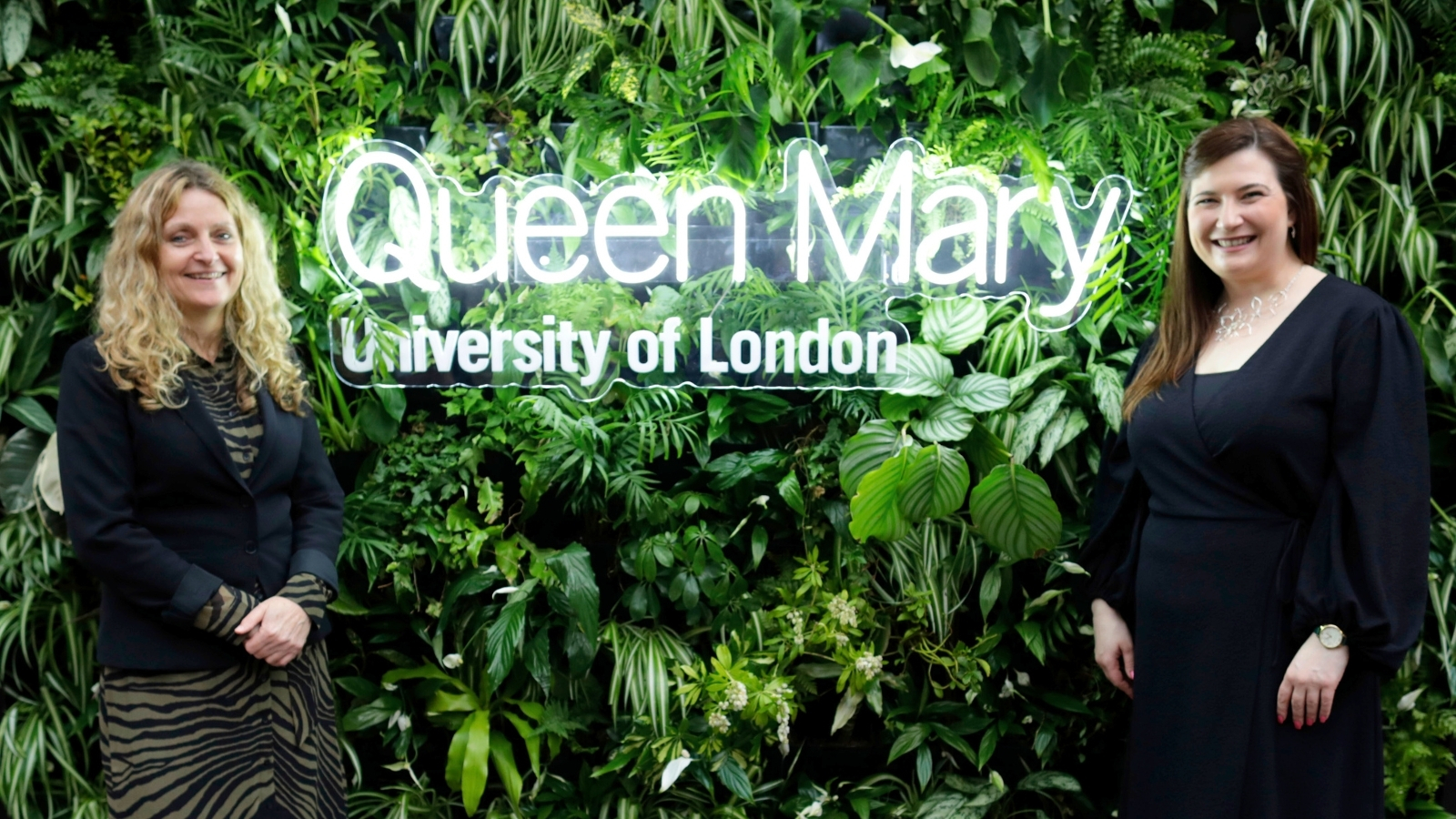
"This knowledge gives us an opportunity to select the best nanomedicine candidates before rolling out therapeutic doses to much larger patient populations."
— Professor Jane Sosabowski
The new consortium, led by Dr Rafael T. M. de Rosales and Dr Graeme Stasiuk at King’s, will employ a cutting-edge imaging technology called total-body positron emission tomography (total body PET). This technique enables researchers to track very small amounts of nanomaterials safely throughout the entire human body, with unprecedented sensitivity and minimal radiation exposure.
As part of this consortium, Professor Jane Sosabowski and Dr Jennifer Young at the BCI will lead and co-lead work to ensure that radiolabelled nanomedicines are suitable for imaging and therapy in humans using total-body PET. The work will benefit from BCI’s advanced preclinical imaging facilities, extensive experience in visualising nanomedicines in live organisms, and track record of successful translation of imaging agents from the lab into the clinic.
Professor Sosabowski and Dr Young will also collaborate with VacV, a Queen Mary spin-out company developing virus-based cancer therapies, founded by Professor Yaohe Wang and Professor Nick Lemoine. Together, the team will investigate the potential of incorporating radionuclides into VacV’s innovative cancer-targeting viruses to track their distribution in the body.
Professor Sosabowski says: “We are delighted to have been awarded this grant from EPSRC together with our partners from King’s College London and the University of Leeds."
"Understanding how nanomedicines distribute in the human body can give us insights into unexpected accumulation that could be harmful. Total body PET imaging allows us to do this with unprecedented sensitivity, with sub-toxic amounts of the radiolabelled nanomedicine material. This knowledge gives us an opportunity to select the best nanomedicine candidates before rolling out therapeutic doses to much larger patient populations."
"We look forward to working with VacV Therapeutics as well as other long-standing partners and collaborators such as the UK National Nuclear Laboratory and Perceptive Discovery to develop and track the radionuclide therapy nanomedicines of the future.”
The partnership will cover four key research themes:
- Image-Guided Diagnosis and Drug Delivery – exploiting total body PET to advance nanoparticle systems for sensitive cargoes like mRNA, including vaccines.
- Radionuclide Therapy – improving nanoparticles’ tumour-targeting abilities to deliver cancer-killing radiation safely for both treatment and imaging.
- Image-Guided Surgery – advancing multimodal imaging nanoparticle systems to enhance surgical precision.
- Combination Therapies – exploiting synergies between nanotechnologies with cutting-edge treatments such as cell immunotherapy and advanced radiotherapy.
Watch Professor Sosabowski discuss the current state of radionuclides in medicine in this podcast from the UK National Nuclear Laboratory
These themes are supported by seven interlinked work packages, covering everything from nanomaterial synthesis and toxicology to clinical translation and public engagement. The programme also emphasises patient and community involvement to ensure research remains aligned with public needs and values.
Category: General News, Grants & Awards
No comments yet