Tag: Breast
Search News
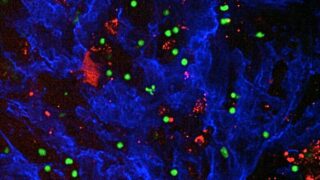
‘Sugar-coated’ tumour matrix may offer way to make triple-negative breast cancer easier to treat
16th June 2026
Researchers have discovered a way in which the environment surrounding triple-negative breast cancer cells helps suppress our immune system, making this cancer harder to treat. The findings open the door to a potential new treatment strategy that could make triple-negative breast cancers more vulnerable to the immune system and help more people to benefit from immunotherapy in future.
Read more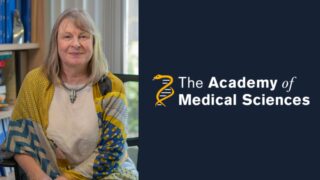
Professor Louise Jones elected Fellow of the Academy of Medical Sciences
21st May 2026
Professor Louise Jones at Barts Cancer Institute, Queen Mary University of London, has been elected to the Academy of Medical Sciences. She joins 60 exceptional biomedical and health scientists elected to its prestigious Fellowship.
Read more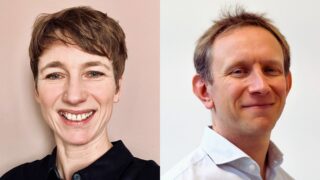
Barts Cancer Institute teams awarded nearly £3m from Cancer Research UK to seek novel cancer therapy targets
11th March 2026
Professor Michelle Lockley and Dr Oliver Pearce have both been awarded prestigious Programme Foundation Awards from Cancer Research UK, worth nearly £1.5 million each, to support the work of their research groups at Barts Cancer Institute, Queen Mary University of London.
Read more
Beyond ‘one size fits all’: Study reveals ethnic differences in breast cancer development and outcomes, demanding tailored care approaches
20th May 2025
Women of African or South Asian genetic ancestry tend to develop breast cancer and die at a younger age than women of European ancestry, according to new research by Barts Cancer Institute, Queen Mary University of London. The study, which looked at clinical and genetic data from over 7,000 women with breast cancer, also found important genetic differences in these women’s cancers that could impact their diagnosis and treatment.
Read more
BCI part of new UK-wide cancer immunotherapy initiative
7th October 2024
Researchers from Barts Cancer Institute, Queen Mary University of London are part of a nationwide team of universities, hospitals and industry collaborating on a new platform to understand immunotherapy response and side effects in cancer.
Read more
Groundbreaking trials reveal improved survival for two hard-to-treat cancers
16th September 2024
Prof Tom Powles and Prof Peter Schmid announced practice-changing results at ESMO 2024
Read more