
Category: Publications
Search News
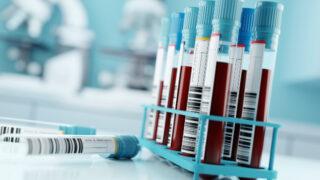
Blood test helps guide immunotherapy for bladder cancer
22nd October 2025
A new clinical trial led by Professor Thomas Powles at Barts Cancer Institute, Queen Mary University of London, has shown that a blood test to detect tumour DNA could help doctors decide which patients with bladder cancer are most likely to benefit from further treatment after surgery. The new approach improved survival in those identified as high-risk while safely sparing low-risk patients from unnecessary side effects.
Read more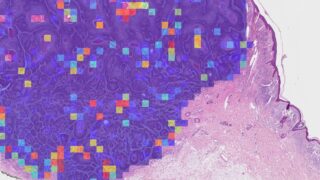
New AI model sheds light on high-risk skin cancer: Q&A with the authors
30th September 2025
Researchers have developed an artificial intelligence (AI) tool that could help doctors identify which skin cancers are most likely to spread. We spoke to Professor Jun (Alex) Wang, a group leader at BCI, and Dr Emilia Peleva, a Clinical Research Fellow and dermatologist in his team, about their new study, published in npj Precision Oncology.
Read more
Rogue’ DNA rings reveal earliest clues to deadly brain cancer’s growth
8th September 2025
An international team of scientists has revealed how rogue rings of DNA that float outside of our chromosomes – known as extrachromosomal DNA, or ecDNA – can drive the growth of a large proportion of glioblastomas, the most common and aggressive adult brain cancer. The discovery could open the door to much-needed new approaches to diagnose glioblastoma early, track its progress and treat it more effectively.
Read more
Could a breath test detect blood cancer?
23rd July 2025
Molecules exhaled in the breath may provide clues to detect blood cancer, according to new research by scientists at Barts Cancer Institute. The findings could enable the development of a blood cancer breathalyser, providing a rapid, low-cost way to detect disease.
Read more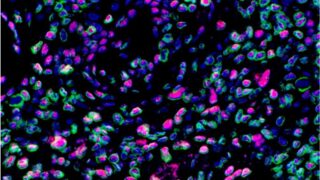
Cells’ recycling system plays a surprising role in shaping immune cells DNA
2nd July 2025
Researchers have discovered a new mechanism by which B cells – antibody-producing immune cells – use a cellular recycling process called autophagy to control changes to their DNA essential for antibody improvement. The findings could have future implications for the development of certain blood cancers and autoimmune diseases.
Read more
Study reveals molecules enabling bowel cancer to hijack healing processes and spread
8th June 2025
Scientists have uncovered how bowel cancer cells imitate our gut’s natural healing processes to adapt, spread and grow. The findings researchers at Barts Cancer Institute could lead to new treatment strategies aimed at preventing cancer spread.
Read more