
Category: Publications
Search News
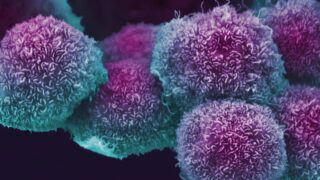
Scientists explore new way to bring CAR-T cell therapy to pancreatic cancer
22nd May 2025
A new strategy to help powerful cancer-targeting immune cells, known as CAR-T cells, infiltrate pancreatic tumours has been developed by researchers at Barts Cancer Institute, Queen Mary University of London. The unique three-pronged approach could pave the way for making CAR-T cell therapy—a treatment that has transformed care for certain blood cancers—effective against pancreatic cancer, a disease that remains very difficult to treat.
Read more
Beyond ‘one size fits all’: Study reveals ethnic differences in breast cancer development and outcomes, demanding tailored care approaches
20th May 2025
Women of African or South Asian genetic ancestry tend to develop breast cancer and die at a younger age than women of European ancestry, according to new research by Barts Cancer Institute, Queen Mary University of London. The study, which looked at clinical and genetic data from over 7,000 women with breast cancer, also found important genetic differences in these women’s cancers that could impact their diagnosis and treatment.
Read more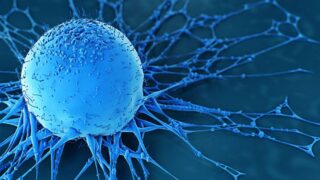
Smarter chemotherapy approach could delay drug resistance in ovarian cancer
30th April 2025
Adaptive chemotherapy can prolong survival in lab models of ovarian cancer, according to new results. The findings could pave the way for a more effective and gentler approach to treating ovarian cancer that uses existing drugs in a more intelligent way.
Read more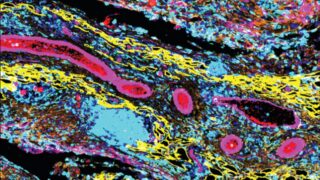
Scientists identify strategy to make chemotherapy more effective for women with ovarian cancer
7th March 2025
Scientists have discovered a potential way to improve chemotherapy’s effect on ovarian cancer by manipulating specific immune cells around the tumour, potentially offering a way to help thousands of women with ovarian cancer benefit more from standard therapies and potentially delay relapses.
Read more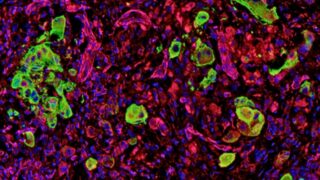
Scientists discover the ‘roadmap’ that aggressive cancer uses to spread around the body and identify ways to block its escape
14th February 2025
Scientists have discovered a new way to predict which tumours will become aggressive before they metastasise and spread around the body. The findings could help doctors spot which tumours are likely to be aggressive and cause metastatic cancer. They also open new avenues for treating cancer before it spreads.
Read more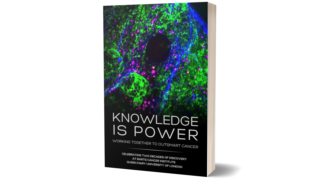
Barts Cancer Institute book celebrates two decades of cancer discovery
4th February 2025
Barts Cancer Institute, Queen Mary Univerity of London, is delighted to announce the publication of a special commemorative book celebrating twenty years of cancer discoveries since the establishment of the institute.
Read more